What Our Tags Can Do
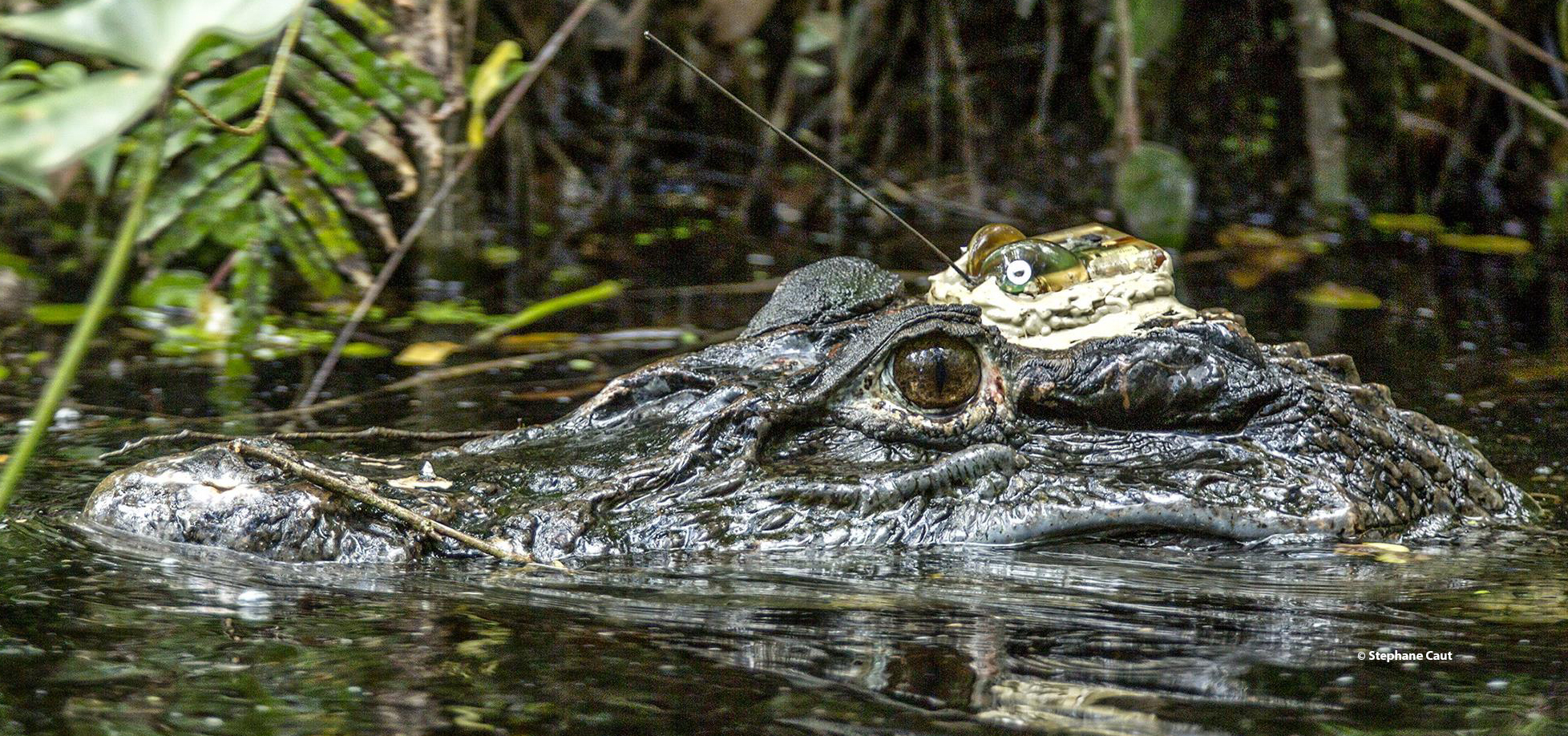
Wildlife Computers provides the technology you need to meet the goals of your crocodilian research project, whether you are studying crocodiles, alligators, caiman, or gharials. We offer a range of satellite-linked tag designs that deliver reliable movement data in freshwater, estuarine, and marine environments. Using Argos and Fastloc® technologies, researchers can choose the platform that best fits their study objectives, deployment duration, and budget. Our tags provide location, temperature, and environmental data that help reveal how crocodilians use and move through their habitats.
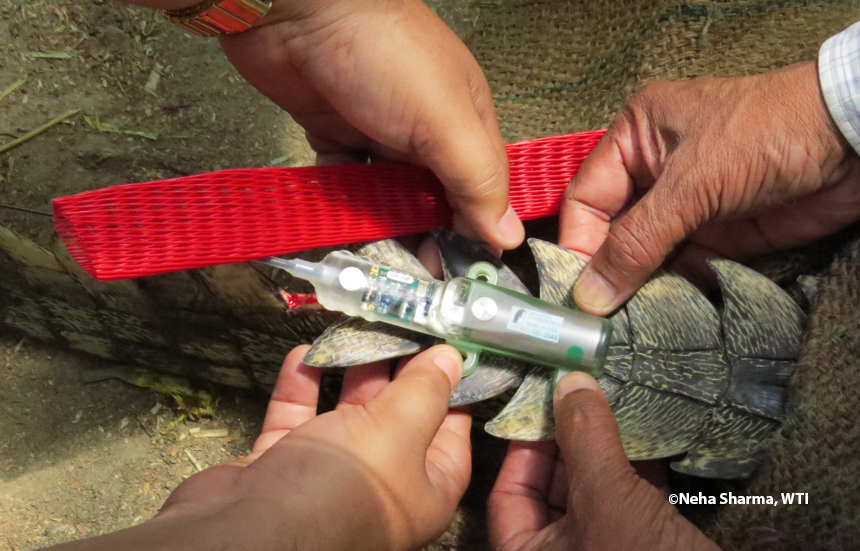
Wildlife Computers crocodilian tags are specially modified for the unique challenges of crocodilian deployments. Features such as reinforced attachment points, specialized freshwater and all-water configurations, and attachment options designed for nuchal scute, head, or tail mounts help maximize retention and data return. Whether your research focuses on habitat use, migration, dispersal, conservation, or reintroduction programs, our crocodilian tag suite delivers the accurate location data needed to better understand these remarkable reptiles.
What You Should Know
SPOT Tag Configurations
SPOT tags are highly versatile location trackers built for rugged marine applications. Not only is the Wildlife Computers SPOT tag a cost-effective transmitter but it is the most published-on marine satellite tracking tag on the market. With over 50 different animal-focused designs available, there is a solution to fit every need.
Crocodilia Tag Suite Configurations
Tag Storage and Maintenance
Whether you are new to tagging or someone who has been doing it forever, you can find some great information in your tag’s user guide. Be sure to check out the tag storage guidelines to learn how to put your tag in “Stop” or “Shutdown” mode, storage temperature recommendations, and how to exercise the batteries to avoid passivation.