The Pacific halibut is an interesting fish. These mammoths of the sea can reach up to 500 pounds and live on the bottom of the ocean floor. Recently published research on halibut used a specially designed Wildlife Computers sPAT pop-up tag to study bycatch survival. This...

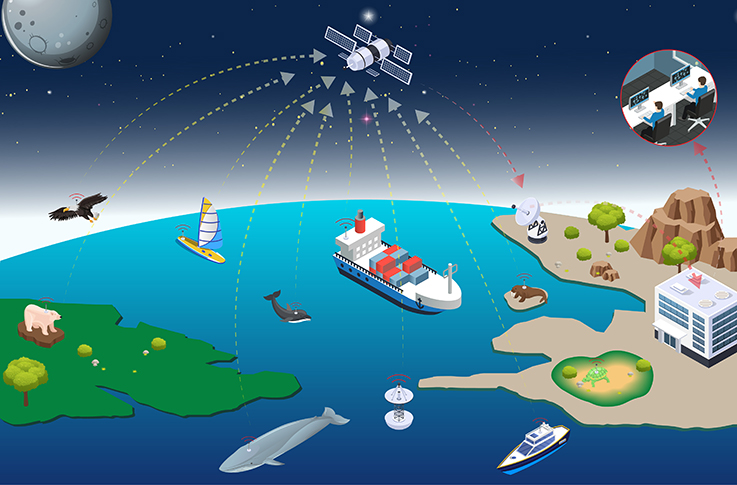
Note: this article refers to the original Argos satellite array. With the launch of the Kineis satellite constellation, there are now over 20 satellites available. I think we can all agree that the Argos Satellite System is amazing and has revolutionized the fields of Marine Ecology...

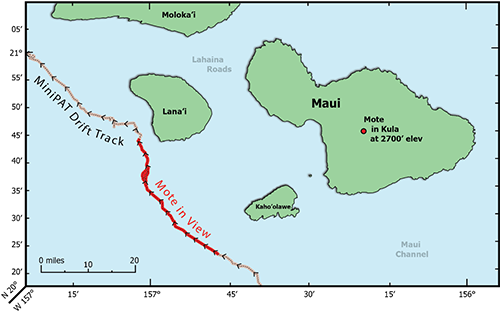
Filling in the Gaps: Augmenting Argos Coverage with Motes Have you ever wanted less data? Of course not! The more data the better. A Wildlife Computers Mote is designed to improve data throughput from your study animal. Dr. Kenady Wilson shows you how Motes...

The story of Peggy Hughes is an interesting one. Peggy Hughes is the largest Mako shark ever tagged by the Center for Sportfish Science and Conservation (CSSC) in the northern Gulf of Mexico. The shark was tagged during an expedition last summer. Not much is known about...

DISCLAIMER: As of 2025, Argos Pass Analysis is only used with the four classic Argos satellites. The Kineis satellite system has over 21 satellites available making this process obsolete. Catching an animal and deploying a tag is just one part of all the work that goes...

Catching an animal and deploying a tag is just one part of all the work that goes into a successful research project. After the tag is on the animal, then the anxiety sets in as we head back to our offices and wait for the...

In August, Marine Ecology and Telemetry Research published results from a recent study which focused on how Cuvier’s beaked whales reacted to military sonar. Researchers concentrated their efforts off the coast of Southern California—an area frequented by the US Navy. The whales were tagged with Wildlife Computers SPLASH10 LIMPET satellite tags....

Google Translate »